Source hypo allergenic foldable memory foam mattress for Home Hotel Hospital
Compare 30 listings of hypo allergenic foldable memory foam mattress options featuring pocket springs, latex, and cotton fillings. Buyers can evaluate thickness, hardness, and customization for home, hotel, and hospital applications.
Key considerations
Products List


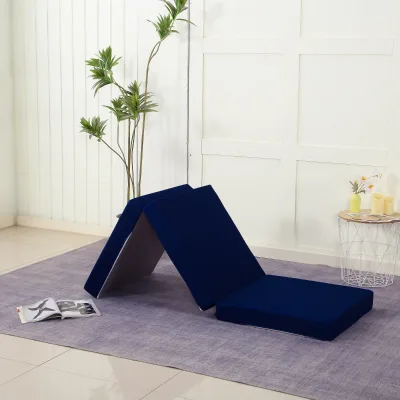
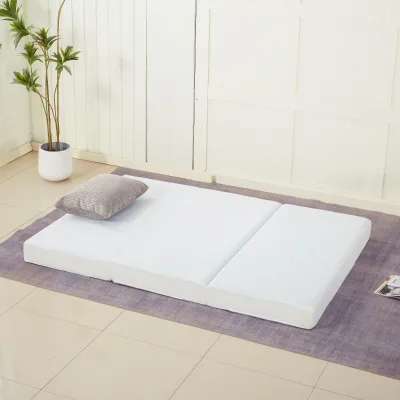
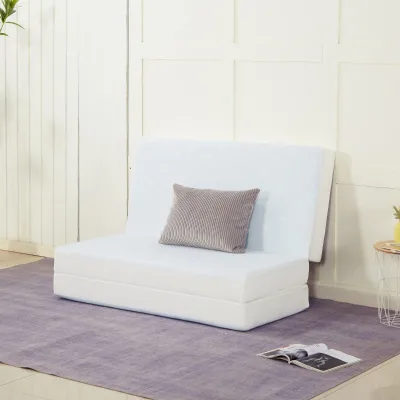

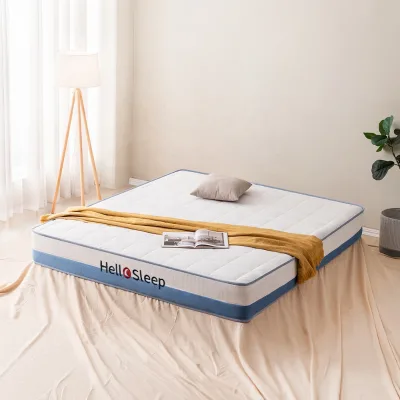


Comprehensive Sourcing Guide
Strategic Sourcing Guide for Hypoallergenic Foldable Memory Foam Mattresses
The global demand for specialized sleeping solutions has surged, driven by a heightened awareness of indoor air quality, sleep hygiene, and the need for versatile furniture in compact living environments. Among the most sought-after categories is the hypoallergenic foldable memory foam mattress. This product segment combines the pressure-relieving properties of memory foam with the portability of foldable designs, while addressing allergen concerns through specific material compositions and surface treatments. For B2B procurement professionals, navigating this market requires a disciplined approach that distinguishes between marketing claims and verifiable product attributes. This guide provides a structured framework for evaluating suppliers, understanding technical specifications, and ensuring that the sourced products meet rigorous quality and safety standards.
Technical Specifications and Material Composition
The core of any hypoallergenic mattress lies in its material composition. When sourcing these items, buyers must scrutinize the specific layers that constitute the product. High-quality options typically utilize a combination of memory foam, natural latex, and pocket springs to balance support with allergen resistance. The presence of memory foam is critical for contouring to the body, while natural latex offers inherent resistance to dust mites and mold, a key requirement for hypoallergenic certification.
In the current market, specifications vary significantly regarding dimensions and density. Buyers should verify that the mattress thickness aligns with the intended use case. For instance, products with a thickness of 19cm are often designed for standard residential use, offering a balance of comfort and structural integrity. Conversely, thicker options, such as those reaching 35cm, provide enhanced support and may be preferred for commercial hospitality settings. The standard dimensions also play a vital role; while 2002727 cm is a common specification for portable units, other models may adhere to 150200 cm or 20027*27 cm standards depending on the manufacturer's origin and target market.
The construction method is equally important. The "foldable" attribute implies a specific engineering approach, often involving a core that allows the mattress to be rolled or folded without compromising the internal foam structure. This is frequently achieved through the use of specific pocket spring systems or segmented foam layers. The hardness of the mattress is another variable; while some products are marketed as "soft" or "medium," the ideal balance for a hypoallergenic unit often leans towards medium hardness to ensure proper spinal alignment while maintaining the surface texture that resists allergen accumulation.
Compliance, Certification, and Allergen Resistance
Verifying the hypoallergenic nature of a mattress requires more than relying on supplier labels. Buyers must demand evidence of specific material properties and testing results. The primary mechanism for allergen resistance in these products is often the material itself. For example, memory foam and natural latex are naturally resistant to dust mites, but this must be complemented by a waterproof and anti-dust mite cover. A 100% waterproof feature is a critical specification to prevent moisture ingress, which is the primary catalyst for mold and mildew growth.
When evaluating compliance, procurement teams should look for specific feature sets that indicate a high standard of hygiene. Features such as "Anti-Dust Mite," "Air-Permeable," and "Anti-Bacterial" (often abbreviated as Anti-Ba) are essential indicators. The fabric cover should be constructed from materials that facilitate airflow, preventing the buildup of heat and humidity that fosters bacterial growth. In some cases, the fabric may be knitted or embroidered, which can influence the breathability and tactile feel of the product.
It is crucial to note that while some products may claim "All-Season" usability, this does not automatically equate to hypoallergenic certification. Buyers must verify if the product has undergone independent testing for allergen reduction. The absence of specific certification data in a product listing should trigger a request for third-party test reports. Additionally, the origin of the materials matters; products sourced from regions with strict manufacturing standards, such as China (specifically Foshan, Shandong, or Zhejiang), often have established supply chains for high-grade foams and fabrics, but this must be confirmed through due diligence rather than assumed.
Cost Drivers and Pricing Dynamics
The price of a hypoallergenic foldable memory foam mattress is influenced by a complex interplay of factors, including material quality, manufacturing complexity, and customization requirements. The observed price range in the market spans from 5 to 100 USD, a wide variance that reflects differences in product tiers. Lower-priced items typically utilize synthetic foams and basic polyester covers, whereas higher-priced units incorporate natural latex, high-density memory foam, and advanced fabric treatments.
Material costs are the primary driver. The inclusion of natural latex and high-quality memory foam significantly increases the base cost compared to products using standard polyurethane foam. Furthermore, the complexity of the "foldable" design adds to the manufacturing expense. A mattress that can be rolled or folded without damaging the internal structure requires precise engineering and higher-quality bonding agents.
Customization is another significant cost factor. Suppliers offering OEM (Original Equipment Manufacturer) and ODM (Original Design Manufacturer) services allow buyers to specify colors, patterns, and dimensions. The availability of customized colors and embroidered patterns adds value but also increases the unit price. Minimum Order Quantities (MOQ) also impact the effective cost per unit. While some suppliers may offer low MOQs starting at 1 piece, others may require orders of 200 pieces or more to achieve competitive pricing. Buyers must balance the need for inventory flexibility with the economies of scale offered by larger orders.
Typical Applications and Usage Scenarios
Understanding the intended application is vital for selecting the right product. The versatility of hypoallergenic foldable mattresses makes them suitable for a diverse range of settings. In the residential sector, these mattresses are ideal for guest rooms, dormitories, and temporary living arrangements where space is at a premium. The "foldable" and "portable" characteristics allow for easy storage and transport, making them perfect for families with limited space or for use in vacation rentals.
In the commercial sector, the demand is driven by the need for hygiene and durability. Hotels and hospitals frequently require bedding that can be easily cleaned and stored. The "Hotel, Home, Hospital, Nursing" usage tags indicate that these products are designed to meet the rigorous sanitation standards of healthcare and hospitality industries. The waterproof and anti-dust mite features are particularly valuable in hospital settings, where infection control is paramount.
Additionally, the "European-style" design and "embroidered" patterns suggest that these mattresses are also marketed for aesthetic appeal in wedding venues, nursing homes, and high-end hospitality environments. The ability to customize colors and patterns allows buyers to align the product with specific brand identities or interior design themes. The "Light" weight of these products further enhances their suitability for applications requiring frequent movement, such as nursing homes or temporary event setups.
Supplier Evaluation and Verification
Selecting a reliable supplier is the cornerstone of a successful procurement strategy. Buyers should prioritize manufacturers who demonstrate transparency in their production processes and material sourcing. The "Manufacturer" modality indicates that the supplier is the direct producer, which often ensures better quality control and pricing compared to trading companies. However, verification is essential.
When evaluating potential partners, buyers should check for specific attributes such as "Customization Available" and "OEM & ODM Acceptable." These capabilities indicate a supplier's flexibility and willingness to collaborate on product development. The location of the supplier, such as Foshan, Shandong, or Zhejiang in China, can provide insights into the local manufacturing ecosystem, but it should not be the sole criterion for selection.
Buyers must also assess the supplier's ability to meet specific order requirements. The "Quantity" attribute, such as 4 PCS or 200 PCS, suggests that suppliers may have different capabilities regarding batch sizes. It is important to confirm that the supplier can consistently meet the required volume without compromising quality. Additionally, the "Condition" of the product should always be "New," and the "Packing" method, whether "Rolled in Box" or "Carton Box," should be verified to ensure safe transport.
Quality Control and Long-Term Procurement Considerations
Maintaining product quality over time requires a robust quality control (QC) framework. Buyers should implement a multi-stage QC process that includes pre-production sample approval, in-process inspections, and final random inspections. Key quality metrics include the integrity of the foldable mechanism, the durability of the fabric cover, and the consistency of the foam density.
Long-term procurement considerations also involve the lifecycle of the product. The "Easy Moving" and "Light" attributes suggest that the product is designed for frequent handling, but this also means it must withstand repeated folding and unfolding without degradation. Buyers should request data on the product's lifespan and resistance to wear and tear.
Furthermore, the "Standard" specifications, such as 2002727 or 3535200, must be strictly adhered to during production. Any deviation from these standards can affect the product's fit and functionality. Buyers should also consider the environmental impact of the materials used. While the provided data does not explicitly mention sustainability certifications, the use of natural latex and cotton-based materials often aligns with eco-friendly trends, which can be a valuable selling point for end consumers.
Comparison of Product Attributes
To facilitate decision-making, the following table summarizes key attributes observed in the market for hypoallergenic foldable memory foam mattresses:
| Attribute Category | Key Specifications | Relevance to Procurement |
|---|---|---|
| Material | Memory Foam, Nature Latex, Pocket Spring, Cotton, Polyester Cotton | Determines allergen resistance and comfort level. |
| Thickness | 19cm, 35cm | Impacts support and suitability for different user groups. |
| Hardness | Soft, Medium | Affects user comfort and spinal alignment. |
| Features | Waterproof, Anti Dust Mite, Air-Permeable, Anti-Ba | Critical for hygiene and hypoallergenic claims. |
| Packing | Rolled in Box, Carton Box | Influences shipping costs and product protection. |
| Customization | Colors, OEM/ODM, Patterns | Allows branding alignment and specific client needs. |
| Origin | Foshan, Shandong, Zhejiang, China | Indicates manufacturing hub and potential logistics. |
| Usage | Home, Hotel, Hospital, Nursing | Defines the target market and durability requirements. |
In conclusion, sourcing hypoallergenic foldable memory foam mattresses requires a meticulous approach that balances technical specifications, material quality, and supplier reliability. By focusing on verified attributes such as waterproofing, anti-dust mite properties, and appropriate material composition, buyers can ensure they procure products that meet the highest standards of hygiene and comfort. The wide range of available options, from basic residential models to specialized hospital-grade units, offers significant opportunities for B2B buyers to tailor their inventory to specific market demands. Ultimately, success in this sector depends on rigorous due diligence and a commitment to quality at every stage of the procurement process.
FAQs
What materials are used in hypo allergenic foldable memory foam mattresses?
These mattresses typically combine memory foam, natural latex, and pocket springs for support and allergen resistance. Some models also use cotton or polyester cotton blends for the cover to ensure breathability and comfort while maintaining hygiene standards.
Can I find foldable mattresses with specific thickness options like 19cm or 35cm?
Yes, manufacturers offer various thickness options including 19cm and 35cm to suit different needs. Thinner models are often for standard residential use, while thicker units provide enhanced support suitable for commercial hospitality settings.
Which hardness levels are available for these foldable mattress products?
Buyers can select from soft or medium hardness levels depending on their comfort preferences. Medium hardness is often recommended for proper spinal alignment while maintaining the surface texture required for allergen resistance.
How are these mattresses packed for shipping and storage?
Products are commonly packed rolled in a box or in a carton box for safe transport. This packaging method supports the foldable design, allowing for easy moving and compact storage in various environments.
What customization options are available for OEM and ODM orders?
Suppliers accept OEM and ODM requests, allowing for customized colors, patterns, and dimensions. Features like embroidered designs and specific fabric types can be tailored to meet brand identities or interior design themes.
Are these mattresses suitable for use in hospitals and nursing homes?
Yes, they are designed for use in homes, hotels, hospitals, and nursing facilities. Their waterproof and anti-dust mite features make them ideal for environments requiring rigorous sanitation and infection control standards.
What is the typical minimum order quantity for these mattress products?
Minimum order quantities vary, with some suppliers requiring 200 pieces while others may accept smaller batches. Buyers should verify specific MOQ requirements to balance inventory flexibility with competitive pricing tiers.